Key Takeaways
- Industry data suggests that a significant majority of summer cooling system failures could be prevented with regular maintenance – Regular spring tune-ups prevent costly breakdowns when you need cooling most
- Energy savings of 5% to 30% – A properly maintained system significantly reduces monthly utility bills during peak cooling season
- Warranty protection requires documentation – Most manufacturers void coverage without proof of professional maintenance
- Professional inspections catch dangerous issues – including refrigerant leaks, electrical problems, and carbon monoxide hazards
- System lifespan extends 15-25 years – Regular maintenance delays expensive replacement costs
As spring temperatures rise, it’s a good time to think about what’s actually happening inside your AC unit — and what could go wrong if it hasn’t been serviced in a while. The case for preventive maintenance is stronger than most homeowners expect.
Most Summer AC Failures Stem From Skipped Maintenance
The numbers don’t lie when it comes to AC breakdowns. Industry data reveals that an overwhelming majority of summer cooling system failures occur in homes that skipped regular maintenance. These aren’t random equipment failures – they’re preventable problems that develop over months of neglect.
When temperatures soar into the 90s and beyond, an unmaintained AC system faces its greatest test. Dust-clogged coils, worn electrical connections, and low refrigerant levels create a perfect storm for system failure. Baldwin County HVAC experts at Ingersoll’s Refrigeration Air Conditioning & Heating Inc see this pattern every summer — emergency calls from homeowners who discovered too late that a spring tune-up could have prevented the problem.
Energy Bill Reduction: 5% to 30% Efficiency Boost
A properly maintained air conditioning system operates with remarkable efficiency compared to its neglected counterparts. Professional tune-ups can improve system performance by 5% to 30%, translating directly into lower monthly energy bills. This efficiency gain becomes especially valuable during Alabama’s long, hot summers when AC systems run continuously.
U.S. Department of Energy Confirms Steady Performance Decline
The U.S. Department of Energy has documented how skipping AC maintenance leads to a steady decline in performance while energy use increases. Even simple maintenance tasks like filter replacement can reduce energy consumption by 5% to 15%. Professional tune-ups deliver even greater savings by addressing multiple efficiency factors simultaneously.
Summer Heat Drives Peak Energy Costs
Summer heat creates peak demand periods when utility rates often increase. An efficiently running AC system helps homeowners avoid the double impact of higher usage and higher rates. Properly maintained HVAC systems can operate significantly more efficiently than neglected ones, directly impacting utility bills during these expensive peak periods.
Preventable Breakdowns Cost 95% More Than Tune-ups
The financial mathematics of HVAC maintenance strongly favor prevention over repair. Preventative maintenance for AC systems can lower the likelihood of major component failure by up to 95%, significantly reducing the chance of costly emergency repairs. A typical spring tune-up generally costs between $75 and $200, while emergency repairs during peak summer heat can run significantly higher — often well above $1,000.
Emergency Service Premium During Peak Season
Summer AC failures create urgent situations that command premium pricing. Emergency service calls during peak season often include after-hours charges, expedited parts costs, and limited technician availability. Many HVAC companies prioritize emergency calls, leaving non-emergency customers waiting days for service while temperatures climb.
Small Issues Under Heavy Use Become Major Failures
Minor problems that develop during mild weather transform into catastrophic failures under summer heat stress. A slightly worn capacitor might function adequately in spring but fail completely when the system runs 12 hours daily in July. Loose electrical connections create heat buildup that intensifies under heavy load, potentially damaging expensive components like compressors or control boards.
Warranty Voided Without Professional Maintenance Records
Most HVAC manufacturers explicitly require regular professional maintenance to maintain warranty coverage. These warranties typically provide 5-10 years of protection for major components, but this valuable coverage becomes worthless without proper documentation of professional service.
Manufacturer Requirements for Coverage Protection
Warranty language consistently includes maintenance requirements that homeowners must fulfill to maintain coverage. Manufacturers require professional technicians to perform specific inspection and maintenance procedures, documented with service records showing dates, procedures completed, and technician certification. DIY maintenance, while beneficial for system performance, doesn’t satisfy these warranty requirements.
Professional Spring Inspection Identifies Critical Issues
A spring AC tune-up involves far more than changing filters. Professional technicians follow detailed checklists covering 20+ critical system components, identifying problems before they cause failures or safety hazards.
Refrigerant Levels and Leak Detection
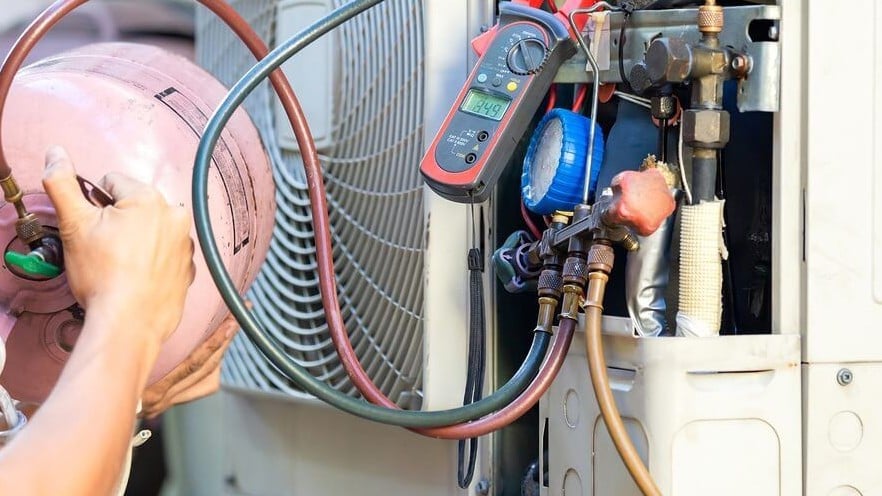
Proper refrigerant levels are vital for efficient cooling and compressor protection. Low refrigerant forces the system to work harder while delivering less cooling, dramatically increasing energy costs. Professional technicians use specialized equipment to measure refrigerant levels precisely and detect leaks that gradually drain the system. Refrigerant leaks also pose environmental concerns and require professional handling of regulated substances.
Electrical Connections and Safety Controls
Electrical components face significant stress from repeated cycling and vibration. Loose connections create resistance that generates heat, potentially causing fires or component damage. Professional inspections include tightening electrical connections, testing safety controls, and verifying proper grounding. These electrical safety checks protect both equipment and occupants from hazardous conditions.
Coil Cleaning and Airflow Optimization
Evaporator and condenser coils accumulate dirt, pollen, and debris that insulates heat transfer surfaces. This buildup forces the system to work harder while reducing cooling capacity. Professional coil cleaning restores heat transfer efficiency and improves airflow throughout the system. Proper airflow ensures even cooling distribution and prevents hot spots that strain the equipment.
Carbon Monoxide and Safety Hazard Checks
While primarily a heating system concern, carbon monoxide detection remains important for homes with gas appliances or attached garages. Professional technicians check for potential carbon monoxide sources and verify proper ventilation. They also inspect for other safety hazards like damaged electrical components, blocked drainage systems, or pest infestations that could compromise system safety.
System Lifespan Extension: 15-25 Years vs. Premature Replacement
The average air conditioning system lasts 10-15 years under normal conditions, but consistent maintenance can extend this significantly toward the 15-25 year range. Regular tune-ups reduce component wear, prevent premature failures, and maintain peak efficiency throughout the system’s life. This lifespan extension delays the major expense of system replacement, often saving homeowners $8,000-$15,000 in premature replacement costs.
Indoor Air Quality and Health Impact
Well-maintained HVAC systems provide superior indoor air quality by effectively filtering dust, pollen, and other allergens. Clean filters and properly functioning equipment reduce airborne particles that trigger allergies and respiratory issues. The Environmental Protection Agency emphasizes that regular HVAC maintenance is vital for maintaining energy efficiency and reducing environmental impact, while also protecting occupant health through improved air quality.
Schedule Your Spring AC Tune-up Before Summer Heat
Timing matters when scheduling preventive maintenance. Spring appointments allow technicians to identify and address issues during mild weather, before peak season demand creates scheduling challenges. Early scheduling also provides time to order parts or plan major repairs without the pressure of immediate cooling needs.
Spring AC maintenance has a clear track record: fewer summer breakdowns, lower energy bills, and a longer system lifespan. With Baldwin County’s heat arriving fast, getting a professional check-in before peak season is one of the more straightforward ways to avoid a costly surprise in July.
Ingersoll’s Refrigeration Air Conditioning & Heating Inc.
762 Nichols Ave
Fairhope
AL
36532
United States